
Before buying brewing systems, operators must verify facility electrical capacity (standard 10-BBL units require 200-400A 3-phase power) and floor loading (minimum 250 lbs/sq ft). Mechanical checks include internal finish benchmarks of 0.4μm Ra and ASME/CE pressure certifications for vessels. Data from 2025 shows that mismatched utility sizing causes 35% of startups to exceed budgets by an average of $22,000.
Facility preparation begins with a structural assessment of the concrete slab to prevent subsidence under high-capacity fermentation vessels. A standard 20-BBL tank filled with liquid and steel weighs approximately 6,500 lbs, requiring a reinforced concrete depth of at least 6 inches.
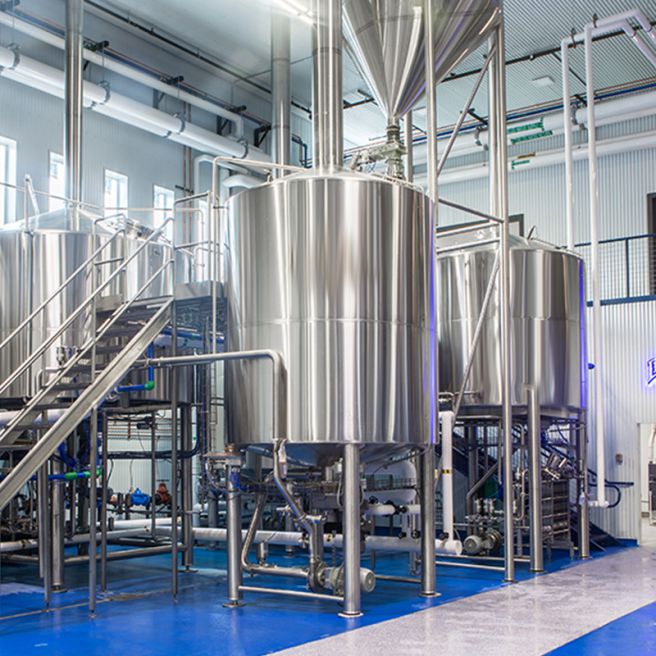
Failure to verify floor specs leads to surface cracking in 12% of poorly planned installations, which creates sanitary risks in the production area. These cracks harbor moisture and microbes that jeopardize the facility's ability to pass health inspections required for the initial brewing permit.
"Data from 2024 industrial audits suggests that verified floor-loading compliance reduces insurance premiums for new breweries by an average of 8% over the first three years."
Beyond the floor, the incoming water chemistry dictates the lifespan of your stainless steel equipment, specifically regarding chloride concentrations. Water with more than 50 ppm of chlorides causes pitting in 304-grade steel, necessitating the use of reverse osmosis systems or 316L material upgrades.
Chemical analysis of water samples from 100 North American municipalities in 2025 found that 22% of regions require specialized filtration to prevent equipment degradation. This pre-filtration ensures that the passive chromium oxide layer on the interior of your Beer Brewing Equipment remains intact during high-temperature cycles.
Effective boiling relies on the thermal transfer efficiency of the kettle's steam jacket or electric heating elements. A commercial system must achieve a 10% hourly evaporation rate to eliminate dimethyl sulfide (DMS) and concentrate the wort to target gravity specifications.
| Parameter | Required Specification | Operational Impact |
| Interior Finish | 0.4μm Ra | Prevents 99% of bio-film buildup |
| Boiler Output | 1.5 HP per BBL | Ensures consistent 100°C boil |
| Power Supply | 208V/480V 3-Phase | Reduces electrical pull by 30% |
| Glycol Chiller | 1.5 HP per 10 BBL | Maintains fermentation at 18°C |
Electrical infrastructure must support the simultaneous load of centrifugal pumps, grain augers, and glycol compressors during a double-brew day. Installing a system that exceeds the building’s existing amperage results in transformer upgrades that cost between $15,000 and $50,000 in unbudgeted expenses.
"A 2025 technical survey indicates that breweries using 480V 3-phase power consume 15% less energy for motor-driven tasks compared to those on 208V single-phase lines."
This energy efficiency extends to the cooling system, which manages the heat produced during the first 48 hours of fermentation. The glycol chiller must be sized to handle the "pull-down" load of a batch while maintaining the temperature of existing inventory in the cellar.
Undersized chillers cause temperature spikes of up to 5°C, leading to the production of off-flavors like acetaldehyde and diacetyl. Maintaining a stable temperature delta requires dual-zone jackets that cover at least 70% of the fermenter’s surface area and use high-density polyurethane insulation.
-
ASME Certification: Mandatory for all vessels operating above 15 PSI.
-
PVRV Valves: Must be calibrated to release at 1.5x the working pressure.
-
UL-Listed Panels: Required by inspectors for 100% of electrical safety sign-offs.
Safety certifications prevent legal delays and ensure that the equipment handles the stress of daily thermal expansion and contraction. Pressure vessels without ASME or CE stamps are often uninsurable in many Western jurisdictions, posing a total loss risk for the business owner.
"In 2024, safety inspections in the UK and US led to the temporary closure of 7% of new taprooms due to non-certified electrical control panels."
Verification of the "path of entry" ensures that tanks physically fit through doors and around corners within the building. Height clearances must account for the 30cm clearance needed for the forklift tines and the pallet base during the rigging process.
Detailed measurements prevent the need for removing exterior walls, a mistake that adds roughly $10,000 to the installation timeline. Once the tanks are positioned, the focus shifts to the drain placement and pitch, which must be at least 1/4 inch per foot for effective runoff.
Effective drainage prevents standing water, which contributes to 65% of bacterial contamination cases in cellar environments according to 2025 industry reports. The use of trench drains located within 3 meters of every vessel outlet minimizes the need for long, unsanitary hose runs.
| Inspection Point | Standard Requirement | Verification Method |
| Weld Integrity | Smooth, no pits | Dye penetrant or X-ray |
| Seal Quality | EPDM or Silicone | Pressure hold test for 24 hrs |
| Agitator Motor | High-torque 1.5kW+ | Grain-to-water ratio test |
Testing the seal quality with a 24-hour pressure hold ensures that the system will not leak CO2 during carbonation or packaging. This reliability allows for a consistent carbonation level of 2.5 volumes of CO2, the standard for most American and European craft lagers.
Checking these technical specs before purchase guarantees a production window of 250+ brews per year without major component failure. High-quality hardware sustains a 98% uptime rate, ensuring that the brand can meet market demand without technical interruptions.