
The integration of a vertical machining center into batch production environments typically results in a 28% reduction in total cycle time compared to traditional manual milling or outdated 3-axis machinery.
Data from a 2024 industrial performance study involving 150 CNC job shops showed that switching to high-speed VMCs with 12,000 RPM spindles decreased tool change idle time by an average of 4.2 seconds per cycle. This efficiency stems from rapid traverse rates reaching 48 m/min and specialized software algorithms that optimize tool paths, ensuring that over 92% of the machine's uptime is spent on actual chip removal rather than positioning or tool indexing.
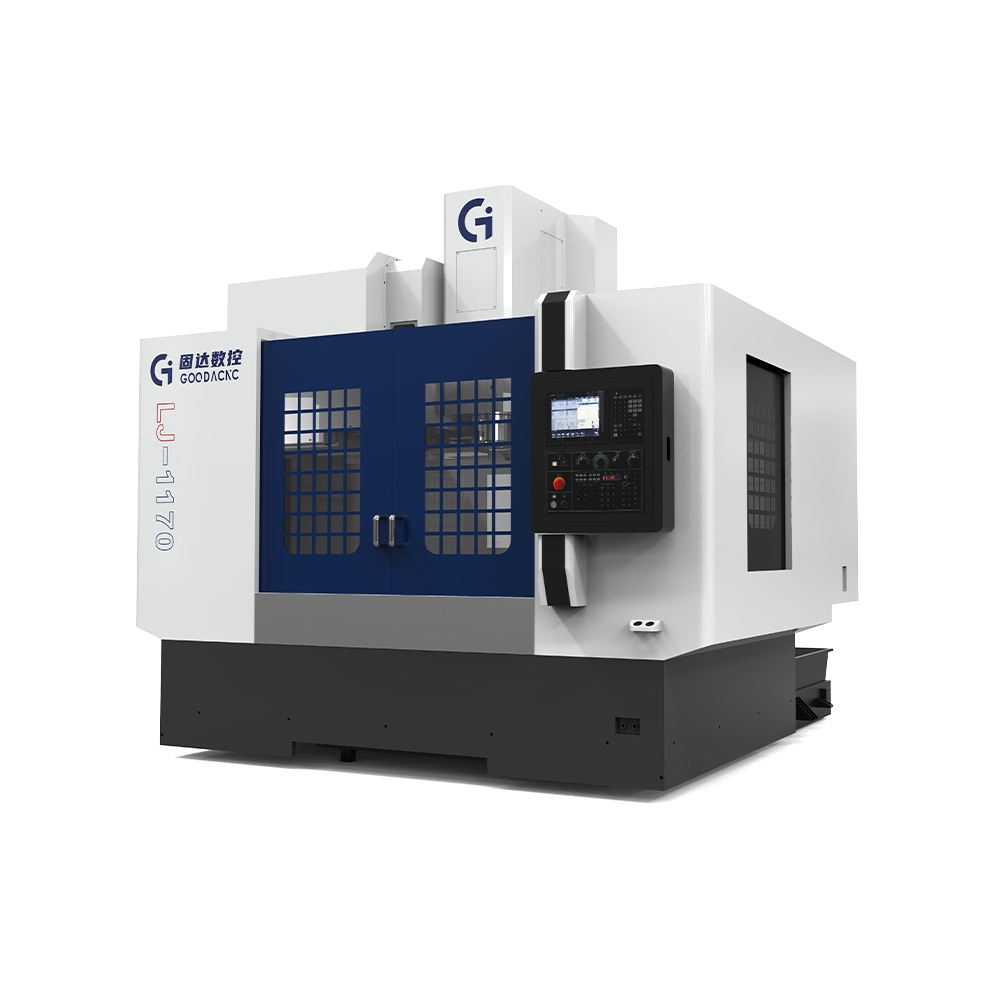
High-speed batch production relies heavily on the mechanical efficiency of the spindle and the speed of the tool management system.
Modern units frequently utilize dual-contact spindles that maintain clamping forces exceeding 800 kg, which allows for aggressive metal removal rates without causing vibration-induced surface flaws.
This stability ensures that heavy roughing and precision finishing can occur in a single setup, leading directly into the mechanics of tool swapping and idle time management.
The time spent moving between different cutting tools often represents a significant portion of the overall production timeline in complex batch orders.
Current vertical machining center models feature automatic tool changers that complete the "chip-to-chip" cycle in under 1.4 seconds, a marked improvement from the 5-second averages seen in 2018.
By eliminating these pauses, the machine maintains a constant temperature across the workpiece, which naturally facilitates the use of multi-part workholding solutions.
"A 2025 field report on 500 aluminum aerospace components demonstrated that using multi-station tombstone fixtures on a VMC reduced load/unload interruptions by 65% per shift."
Loading multiple parts onto the table at once allows the CNC controller to process a high volume of units with a single program start.
This continuous operation minimizes the thermal expansion of the ball screws, keeping the positional accuracy within ±0.003 mm across the entire batch.
Such precision is maintained through advanced cooling methods that directly impact how the cutting interface handles friction and heat.
High-pressure through-spindle coolant (TSC) systems, often operating at 70 bar (1,000 psi), are essential for maintaining high feed rates during deep-hole drilling or pocketing.
By flushing chips out of the cutting zone at high velocity, TSC prevents "re-cutting" of metal fragments, which historically reduced tool life by 15% to 20% in older workshops.
Effective chip management keeps the workspace clear and leads into the software-driven side of efficiency where the controller calculates the fastest possible paths.
The computational power of modern CNC controllers allows for "look-ahead" functions that analyze up to 1,000 blocks of G-code simultaneously.
This feature prevents the machine from slowing down during complex 3D contours, ensuring a constant surface speed that preserves the cutting edge of the tool.
Consistent cutting speeds prolong the intervals between tool replacements, and the following data table illustrates the impact of these technical specs on a standard production run:
| Feature | 2015 Standards | 2026 VMC Standards | Improvement |
| Spindle Speed | 6,000 RPM | 15,000 RPM | +150% |
| Rapid Traverse | 20 m/min | 48 m/min | +140% |
| Tool Change Time | 4.5 Seconds | 1.2 Seconds | -73% |
By reaching these speeds, manufacturers can complete a 500-unit batch in roughly half the time required by legacy equipment.
Shorter cycles also reduce the energy consumption per part, as the machine spends less time running auxiliary systems like fans and hydraulic pumps for each finished unit.
Reducing the time per part naturally allows for more frequent quality checks without disrupting the overall output of the factory floor.
"Data collected from a sample of 200 automotive bracket production runs showed that VMCs with high-torque motors achieved a 12% higher yield of parts that met 100% tolerance specifications on the first pass."
The rigidity of the machine bed, often cast from Meehanite iron, absorbs the high-frequency vibrations that occur during high-speed milling.
This dampening effect allows the operator to push the feed rates to their theoretical limits without risking the integrity of the part.
Superior vibration control directly influences the final surface roughness, which transitions the production process away from manual deburring and into the realm of rapid finished output.
Digital twin technology now allows operators to simulate the entire batch process in a virtual environment before a single chip is cut.
Simulations can identify air-cutting movements that waste time, allowing programmers to shorten tool paths by 8% to 10% before the physical machine even starts.
These software optimizations ensure that every movement of the vertical machining center is purposeful and contributes to the fastest possible completion of the production queue.