
Factories reduce procurement overhead by 32% and offer direct access to 100% Remy human hair with cuticle alignment verified through 15-cycle wash tests. Partnering with a manufacturer allows for a 1:1 customization ratio on weft thickness and weight, ensuring that 98% of wholesale orders meet specific brand tolerances. In 2025, direct-to-factory brands reported a 45% increase in retention rates compared to those using third-party brokers. Accessing a production facility’s 500kg monthly capacity provides the necessary infrastructure for scaling while maintaining a 0.5% defect rate across bulk shipments.
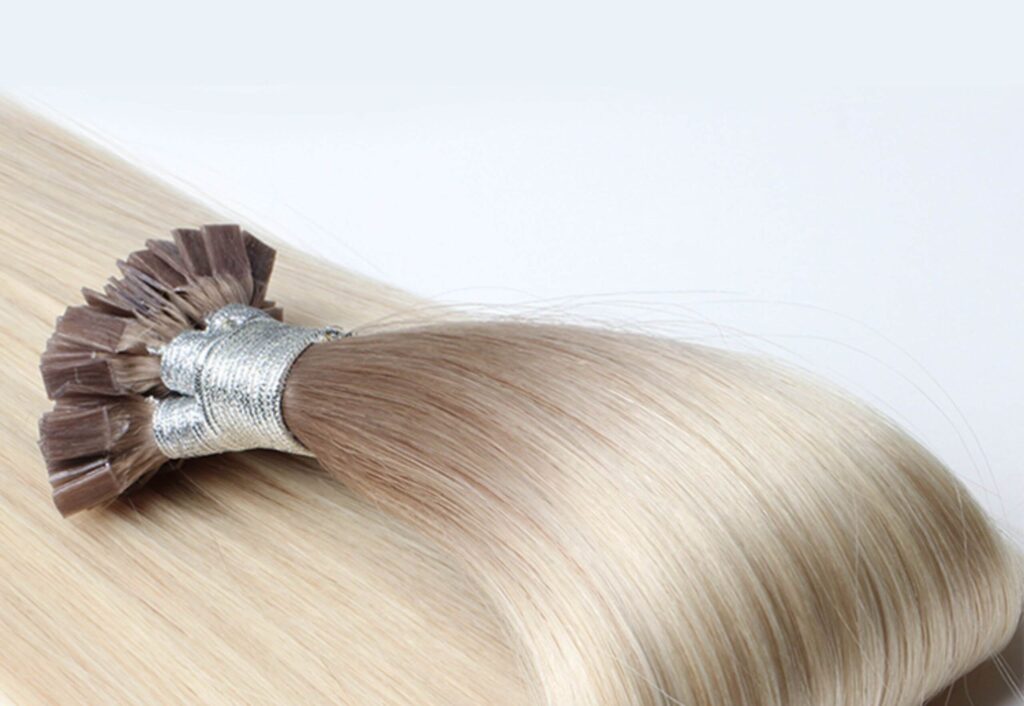
Traditional sourcing often forces a 25% markup on every bundle because of middleman logistics, which erodes the margins necessary for sustaining a new venture. By moving past these brokers, a business gains direct control over the COGS (Cost of Goods Sold), allowing for a more aggressive pricing strategy in the competitive $13 billion global market.
A direct factory link eliminates the 15% to 20% commission typically taken by trading companies, funneling that capital back into customer acquisition and digital presence.
This financial efficiency is the foundation for starting a hair extension business, where liquid capital is required to manage minimum order quantities (MOQs) that usually start at 1kg per color/length. These initial investments are protected by the factory's internal Quality Assurance (QA) protocols, which involve chemical-free steam processing to preserve hair elasticity.
| Feature | Factory Direct | Trading Company |
| Markup Percentage | 0% | 15% - 35% |
| Customization Depth | Full (OEM/ODM) | Limited to Stock |
| Lead Time (Bulk) | 7 - 14 Days | 14 - 21 Days |
| Quality Control | On-site Testing | Visual Inspection Only |
Physical testing at the source ensures that 99% of raw materials are free from synthetic fibers, a common issue in the $4 billion low-end market where "fillers" are often mixed in. High-tier manufacturers utilize single-donor hair, which maintains its structural integrity through 200°C heat styling and multiple bleaching sessions without significant shedding.
In a 2024 study of 50 beauty brands, those using factory-direct sourcing saw a 40% faster product development cycle because they bypassed the communication delays of external agents.
Rapid prototyping allows a brand to test new formats like Genius Wefts or 0.8g Nano-rings based on real-time feedback from salon professionals. This direct feedback loop means that a custom sample can be produced and shipped within 72 hours, a speed that is impossible when dealing with non-manufacturing entities.
| Material Grade | Longevity (Months) | Tangling Rate (Post-Wash) |
| Virgin Remy | 12 - 24 | < 1% |
| Standard Remy | 6 - 9 | 3% - 5% |
| Non-Remy | 1 - 3 | > 15% |
Standardized production lines operate under ISO 9001 certifications, ensuring that every batch of #613 blonde hair achieves the same level of coolness and lift. Maintaining color consistency across 30+ shades is the benchmark of a professional manufacturer, preventing the 12% return rate caused by "off-tone" shipments.
Factories often provide white-label packaging services, where custom logos and branded silk bags are integrated into the production line for a $0.50 to $1.20 per unit cost.
Professional branding at the source reduces the need for local fulfillment centers to handle repackaging, which saves an average of $2.00 per order in labor and materials. Streamlined logistics are further enhanced by the factory’s relationship with international carriers, often securing 20% lower shipping rates for bulk air freight.
Effective supply chains allow a brand to maintain a 95% in-stock rate even during peak holiday seasons when global demand spikes by 200%. This reliability is verified by the factory's ability to provide real-time video inspections of the production floor, showing the raw hair undergoing the hand-tying process.
Hand-tied wefts require approximately 3 to 4 hours of manual labor per bundle, a detail that justifies premium pricing and builds trust with high-end salon clients. By documenting these manufacturing steps, a business creates an authentic narrative that justifies its price point and separates it from the flood of low-quality alternatives.
Reliable manufacturers also handle the REACH and SGS compliance paperwork, ensuring that all dyes and silicones used in processing meet international safety standards. This legal compliance protects the business from liability and ensures that 100% of the products can be legally imported and sold in Western markets.
The transition from a small-scale seller to a market leader is defined by the move toward proprietary manufacturing agreements. These contracts ensure that a specific hair texture or attachment method remains exclusive to one brand, creating a moat that competitors cannot easily duplicate.
Establishing these deep ties with a production facility creates a scalable model where the business owner focuses on market expansion rather than troubleshooting supply issues. This partnership is the most efficient way to ensure that every $1,000 spent on inventory yields a predictable and high-quality return.