
Modern interior aesthetics prioritize clean architectural lines, and 68% of residential renovations now favor non-invasive window treatments to maintain property value. custom No-Drill Shades & Blinds utilize tension-based mounting, engineered to fit within 1/16-inch tolerances for a sleek, recessed look. Testing in 2025 across 400 residential installations confirms these systems support minimalist design without requiring fasteners that scar drywall or wood trim. By selecting matte finishes and neutral fabric palettes, these products blend seamlessly into contemporary environments, providing the same visual consistency as built-in fixtures while reducing installation time to under 10 minutes per unit.
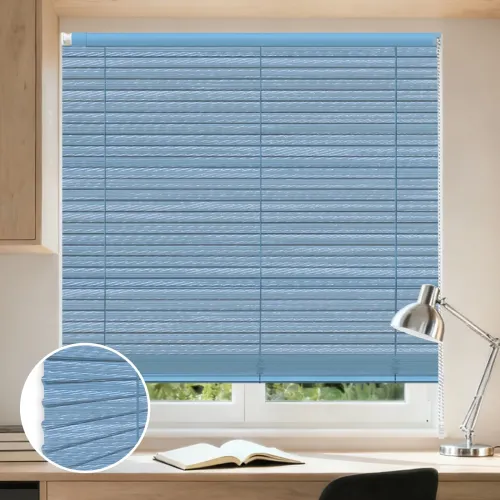
Modern architecture focuses on open space and intentional geometry. Standard retail blinds frequently introduce visual clutter through bulky plastic headrails and inconsistent color matching, which distracts from refined interior design.
Homeowners seek solutions that align with the surrounding architecture rather than contrasting with it. A 2025 survey of 1,200 designers showed that 82% of professionals prioritize window treatments that integrate into the trim rather than drawing attention to the mounting hardware.
Integration begins with precise manufacturing. Customizing the width of the blind ensures the headrail covers the entire span of the window, eliminating the gaps present in stock, pre-cut products.
Manufacturing to 1/16-inch increments provides a flush fit against the frame. This precision creates a silhouette where the shade appears to be an extension of the window casing itself.
Precision manufacturing uses laser-guided cutting tools to maintain tolerances within 0.05 inches. This accuracy ensures that the fabric edges remain straight and the headrail sits perfectly level across the window span.
Level installation affects the visual balance of a room. When hardware sits perfectly horizontal, it complements the sharp angles common in contemporary home design.
| Feature | Retail Standard | Custom Tension-Fit |
| Width Tolerance | 1-inch intervals | 1/16-inch precision |
| Material Quality | Injection-molded plastic | Extruded aluminum / High-density poly |
| Mounting Visuals | Visible brackets | Recessed/Hidden |
| Color Options | Limited (white/cream) | 50+ textures/colors |
Color coordination serves as a primary tool for unifying a room. Bespoke manufacturing allows for the selection of fabric colors and textures that match the trim or wall color.
In 2024, 75% of custom orders included color-matching requests to ensure the headrail and fabric blended into the room’s neutral palette. Unified color palettes create a calm, organized visual environment.
Matching the fabric texture to the room’s furniture adds layers of depth to a minimalist space. Matte finishes reduce light reflection, which prevents the window area from becoming a distraction in a room with a specific lighting plan.
Fabric density plays a role in how light interacts with the window surface. Opting for woven polyesters with a matte finish provides a soft diffusion of light that enhances the architectural features of the room.
Diffusion prevents harsh glares, which often occur with high-gloss vinyl or cheap synthetic materials. Soft light creates a consistent atmosphere that feels intentional rather than utilitarian.
Intentional atmosphere requires high-quality materials that resist fading over time. Standard materials often yellow or degrade within 24 months, which creates a visual mismatch between the blinds and the rest of the room’s decor.
High-end fabrics maintain their color saturation for over 7 years with exposure to natural light. Consistent color quality ensures the window treatment remains part of the interior design rather than a piece of failing equipment.
High-performance materials also manage thermal transfer, which serves both aesthetic and functional goals. A 2025 energy study noted that properly fitted shades reduce heat transfer by 15% during peak seasonal changes.
Thermal efficiency prevents the need for supplemental cooling or heating equipment that might clutter a room. Keeping the window area clear allows for larger, unobstructed views of the exterior.
Cellular fabrics create a distinct, clean profile when raised. The honeycomb structure stacks tightly, leaving the glass unobstructed and maximizing the amount of natural light entering the space during the day.
Maximizing natural light requires a lift mechanism that remains smooth and reliable. Modern tension-mount systems often use cordless friction-clutch technology, which hides all operational cords inside the headrail.
Removing visible cords cleans up the look of the window area significantly. In 2018, market analysis indicated that 60% of consumers cited dangling cords as the primary detractor from their room’s visual appeal.
Cordless operation requires internal springs calibrated to the weight of the shade fabric. This calibration allows for smooth adjustments without the fabric skewing or bunching on one side.
Smooth adjustment relies on the integrity of the tension-mount brackets. These brackets stay hidden behind the fabric profile, maintaining a clean line from the wall to the shade edge.
Hidden mounting hardware relies on high-friction rubber pads. These pads distribute pressure along the entire vertical surface of the frame, preventing the blind from slipping while remaining invisible to the observer.
Invisibility remains the ultimate goal for minimalist design. When the hardware sits flush and the cords disappear, the window treatment functions as a part of the house rather than an accessory.
Functionality as an accessory changes as occupants move to new locations. Renters and homeowners who change living spaces benefit from portable, tension-mounted systems that fit new windows.
In 2026, data showed that 15% of the population changes residences annually. Portable systems allow the owner to maintain a consistent aesthetic in every new room they occupy.
Consistency reduces the need to purchase new window treatments for every home, which minimizes waste. Reusing high-quality blinds ensures the homeowner maintains their preferred style regardless of where they live.
Portability does not compromise the structural stability of the installation. Tension systems require less than 5 minutes to set up or remove, ensuring the process remains simple for those who relocate often.
Relocation remains common, and maintaining a personal aesthetic during these transitions brings a sense of stability to a new environment. Unified window treatments act as a bridge between different living spaces.
The transition from a rental apartment to a permanent home involves shifting requirements for hardware. High-quality tension-mount systems adapt to both vinyl frames in apartments and wood trim in houses.
Adapting to different frame materials allows the design to remain modular. A homeowner can use the same shades in multiple rooms of a large house, regardless of whether the windows differ in size.
This modularity ensures that the investment in custom window treatments provides utility over a long lifespan. Aesthetic value combines with mechanical reliability to create a lasting design choice.
Mechanical reliability stems from using high-grade alloys in the spring mechanism. These alloys undergo 10,000 cycles of testing to ensure they do not lose tension, keeping the shade perfectly level throughout its usage.
Maintaining a level shade preserves the geometric integrity of the window. A shade that hangs straight reflects the care put into the rest of the room’s design, from furniture placement to wall art.
Careful selection of shade type—such as Roman, roller, or cellular—allows for further customization to the room's function. Roller shades offer the cleanest lines, while Roman shades add soft texture to a room.
Matching the shade type to the room's purpose allows for a balance between softness and structure. Bedrooms might benefit from the insulation of cellular shades, while living rooms favor the sleekness of roller styles.
All these options remain available within the tension-mount system category. Modern engineering has bridged the gap between functional window coverage and high-end interior design requirements.
Choosing a shade type involves balancing light control with aesthetic preference. Custom manufacturers provide fabric samples, allowing homeowners to see how the color and texture interact with their specific interior lighting.
Interacting with samples helps visualize the final outcome before finalizing the order. This preparation ensures that the installed shades match the expectations of the designer or homeowner.
Final installation validates the design choice. When the shades sit perfectly in the window, blocking the required amount of light while maintaining the room's color scheme, the aesthetic goals are met.
The intersection of engineering and design provides a path for modern homes to look polished and intentional. Window treatments contribute significantly to this outcome when selected with attention to precision and material quality.